 RisingStar
- Home
- About Us
- Products
- News
- Video
- Contact
- Send Inquiry
Search
- Home
- About Us
- Products
- News
- Video
- Contact
- Send Inquiry
RisingStar
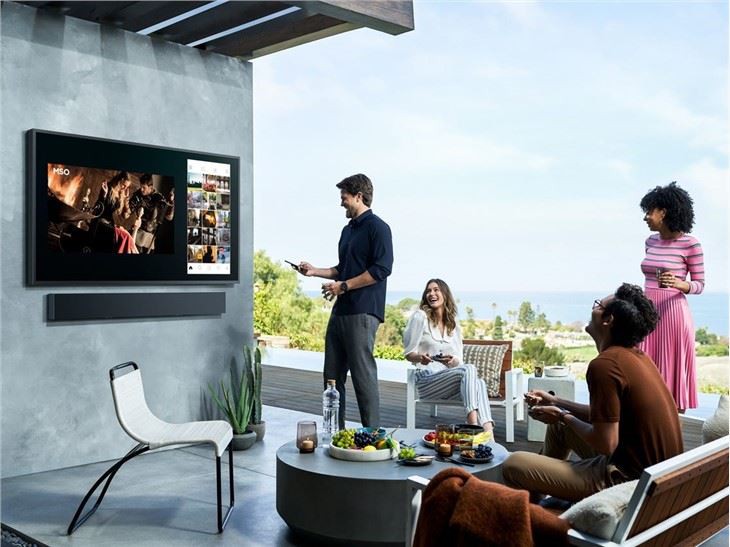
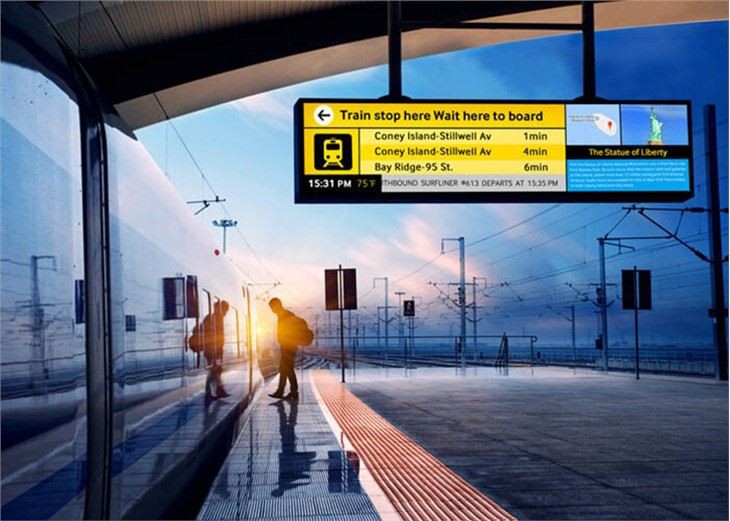
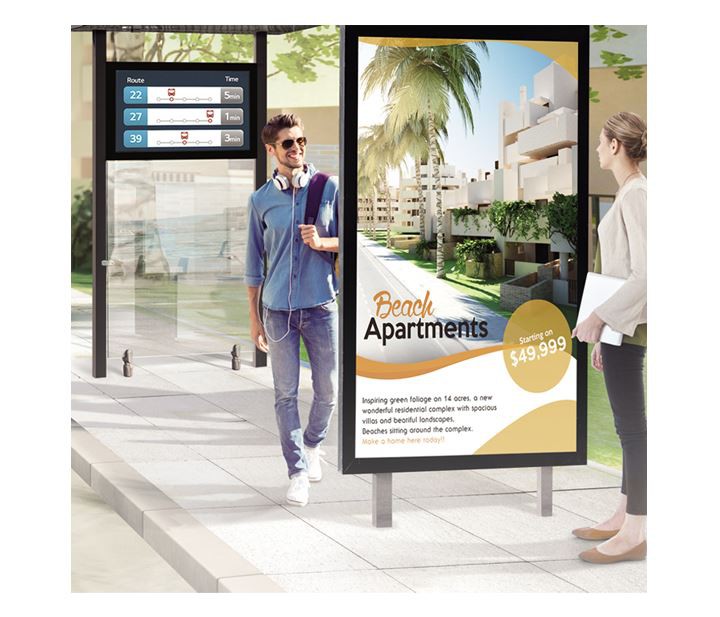
In the modern era of industrial automation, outdoor visibility and operational reliability under harsh environmental conditions are critical. High-brightness sunlight-readable LCD displays have emerged as a pivotal technology for ensuring continuous operation in demanding applications such as transportation systems, military equipment, utility monitoring, and agricultural machinery. These displays are engineered not only to deliver high luminance but also to maintain contrast, color accuracy, and touch responsiveness even under direct sunlight exposure—a challenge that conventional LCDs fail to meet.
The evolution of LCD technology has been driven by the need for robust visual interfaces in environments where ambient light levels can exceed 100,000 lux. Traditional LCDs typically offer brightness levels between 250 and 400 cd/m², which is insufficient for outdoor use during peak daylight hours. In contrast, high-brightness sunlight-readable LCDs operate at 1000 cd/m² or higher—some models reach up to 5000 cd/m²—ensuring readability in full sun. This capability is essential in industries like mining, construction, maritime navigation, and emergency response where operators must access real-time data without delay or visual strain.
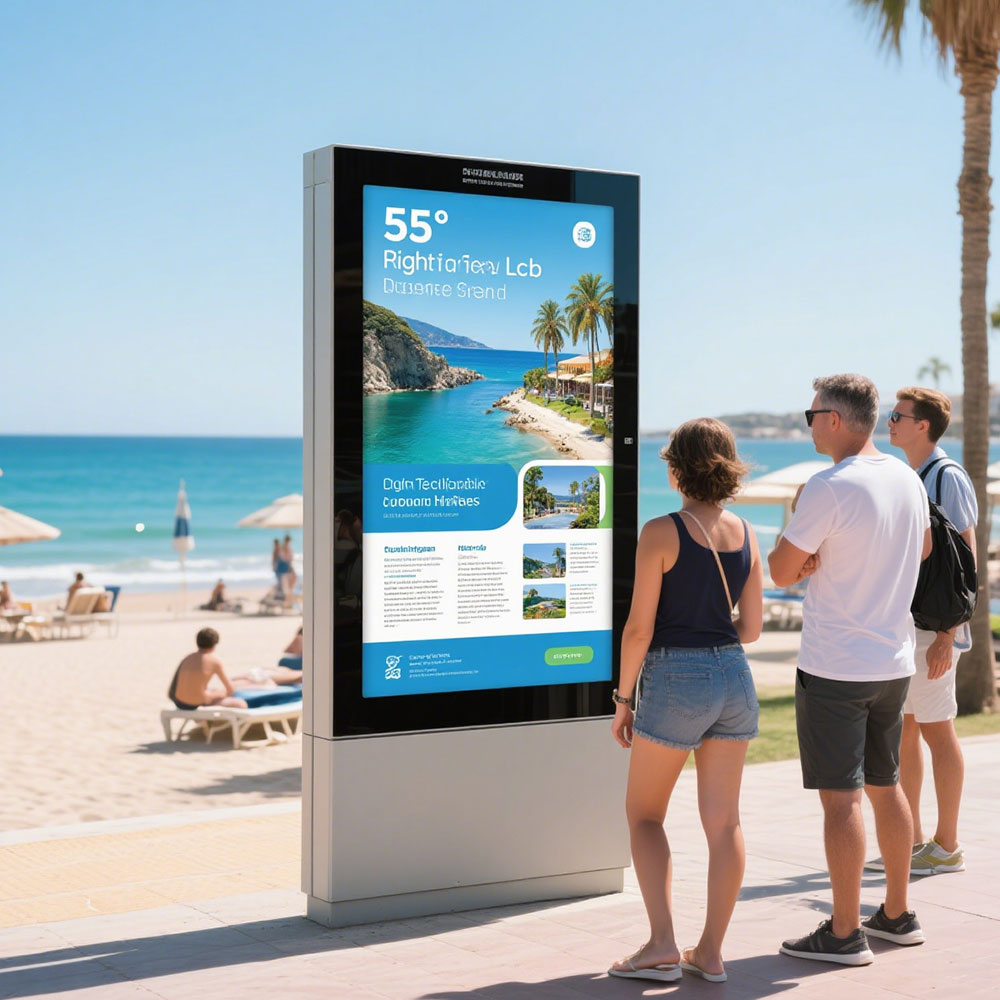
A key innovation behind these displays is the use of advanced backlighting technologies, including LED arrays with optimized optical diffusion layers and high-efficiency drivers. Unlike older CCFL (cold cathode fluorescent lamp) backlights, modern LEDs provide consistent brightness across temperature ranges (-30°C to +70°C), lower power consumption, and longer lifespans exceeding 50,000 hours. Additionally, anti-glare coatings and polarized filters reduce reflection losses and enhance contrast ratios, often exceeding 1000:1 even under direct sunlight—a crucial metric for legibility in outdoor settings.
Another distinguishing feature is the integration of active matrix technology (TFT-LCD), which ensures fast response times (< 20ms) and accurate grayscale reproduction. This enables smooth video playback and rapid updates in dynamic interfaces such as GPS maps or machine diagnostics. For instance, in agricultural tractors equipped with GPS-guided steering systems, a sunlight-readable display allows farmers to view field maps and crop health data clearly—even on hot summer days—without needing to shade the screen manually.
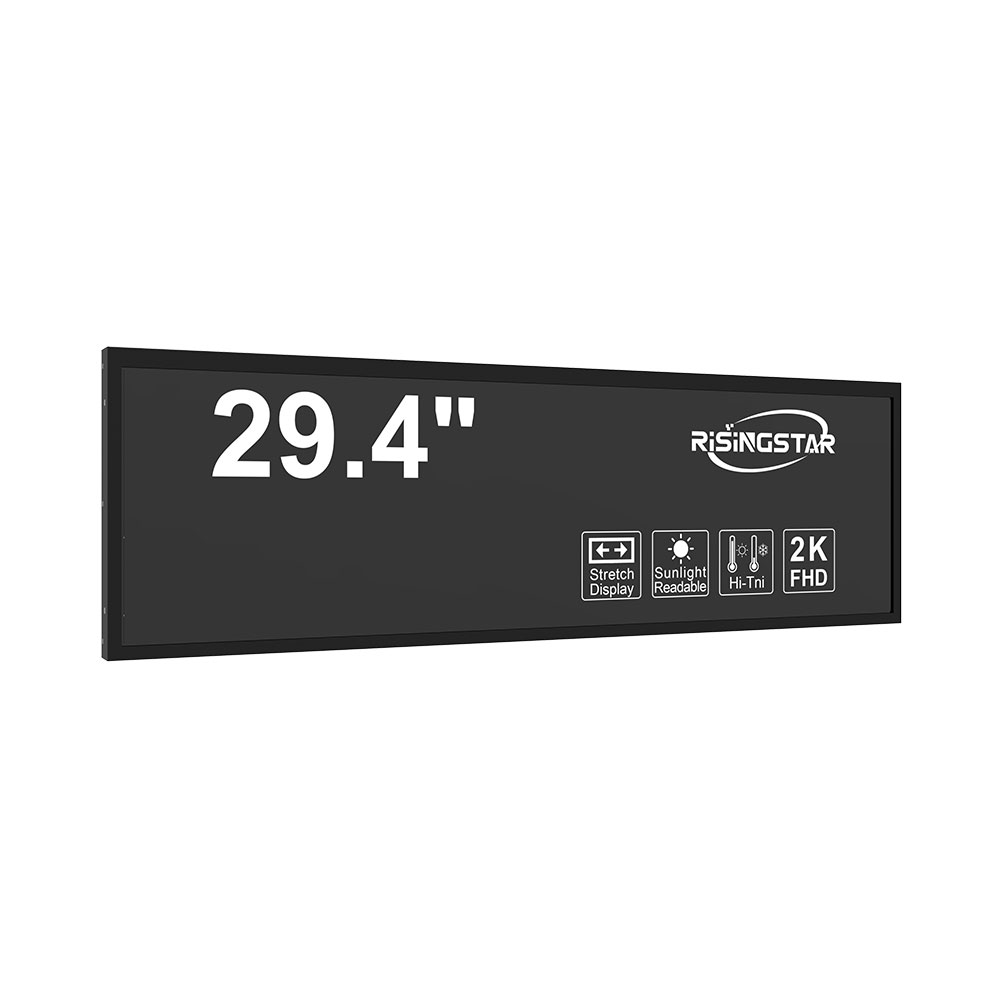
Case studies from leading manufacturers such as ELO Touch Solutions, LG Display, and Sharp illustrate the effectiveness of high-brightness LCDs in real-world deployments. In one notable example, a logistics company operating in Southeast Asia installed custom-built 15-inch sunlight-readable panels on their fleet of delivery vehicles. The panels were tested under tropical sunlight conditions (average irradiance > 80,000 lux) and maintained 95% readability over six months, compared to standard displays that degraded within two weeks due to screen glare and overheating. Similarly, the U.S. Department of Defense adopted these displays for battlefield communication units, citing improved situational awareness and reduced operator fatigue during prolonged missions.
From an engineering perspective, achieving sunlight readability requires a holistic approach involving both hardware and software optimizations. On the hardware side, manufacturers incorporate features like wide viewing angles (up to 170°), ruggedized casings made from IP65-rated materials, and integrated temperature sensors that dynamically adjust brightness based on ambient light levels. Software-wise, intelligent dimming algorithms prevent excessive power draw while maintaining optimal visibility—a balance that is especially important in battery-powered devices such as drones or portable inspection tools.
Moreover, compliance with international standards such as MIL-STD-810G for environmental resistance and ISO 14971 for medical device safety ensures that these displays meet rigorous performance benchmarks. For example, the ability to withstand shock, vibration, and humidity makes them ideal for offshore oil rigs or remote weather stations. In fact, according to a 2023 report by MarketsandMarkets, the global market for sunlight-readable displays is projected to grow at a CAGR of 8.2% through 2028, driven by increased demand in smart infrastructure and autonomous vehicle systems.
One emerging trend is the integration of touchscreen functionality into high-brightness displays, enabling intuitive user interaction even in gloves or wet conditions. Capacitive touchscreens with enhanced sensitivity (e.g., 10-point multi-touch) are now commonly paired with sunlight-readable LCDs in mobile command centers and field service tablets. These hybrid solutions support stylus input, voice commands, and gesture controls—making them versatile tools for technicians and engineers working outdoors.
From a sustainability standpoint, manufacturers are increasingly focusing on energy efficiency and recyclability. Newer models utilize low-power consumption components and eco-friendly materials, aligning with global ESG (Environmental, Social, Governance) goals. Some companies have implemented closed-loop recycling programs for display modules, reducing electronic waste and supporting circular economy principles.
In conclusion, high-brightness sunlight-readable LCDs represent more than just a technological upgrade—they are a strategic enabler of operational resilience in outdoor industrial environments. Their ability to function reliably under extreme lighting conditions, coupled with increasing integration of smart features and sustainable design, positions them as indispensable components in next-generation industrial electronics. As industries continue to digitize and expand operations into challenging terrains, the demand for these specialized displays will only intensify, reinforcing their role as a cornerstone of modern edge computing and human-machine interface (HMI) design.