RisingStar
- Home
- About Us
- Products
- News
- Video
- Contact
- Send Inquiry
Search
- Home
- About Us
- Products
- News
- Video
- Contact
- Send Inquiry
RisingStar
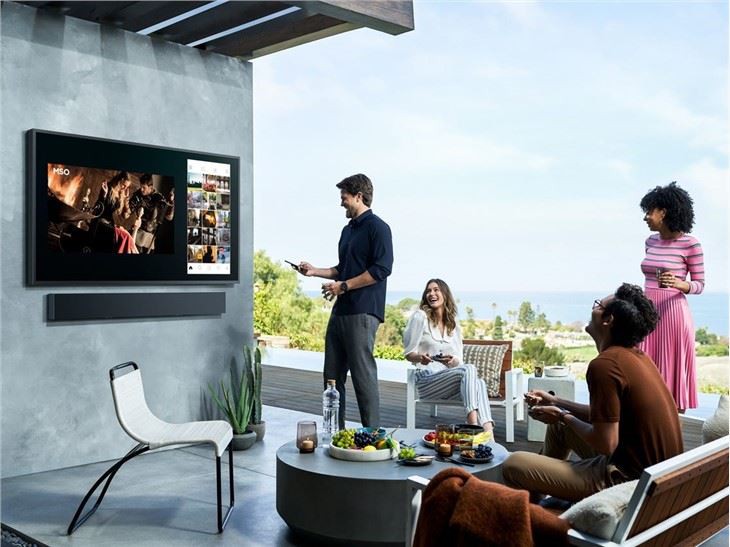
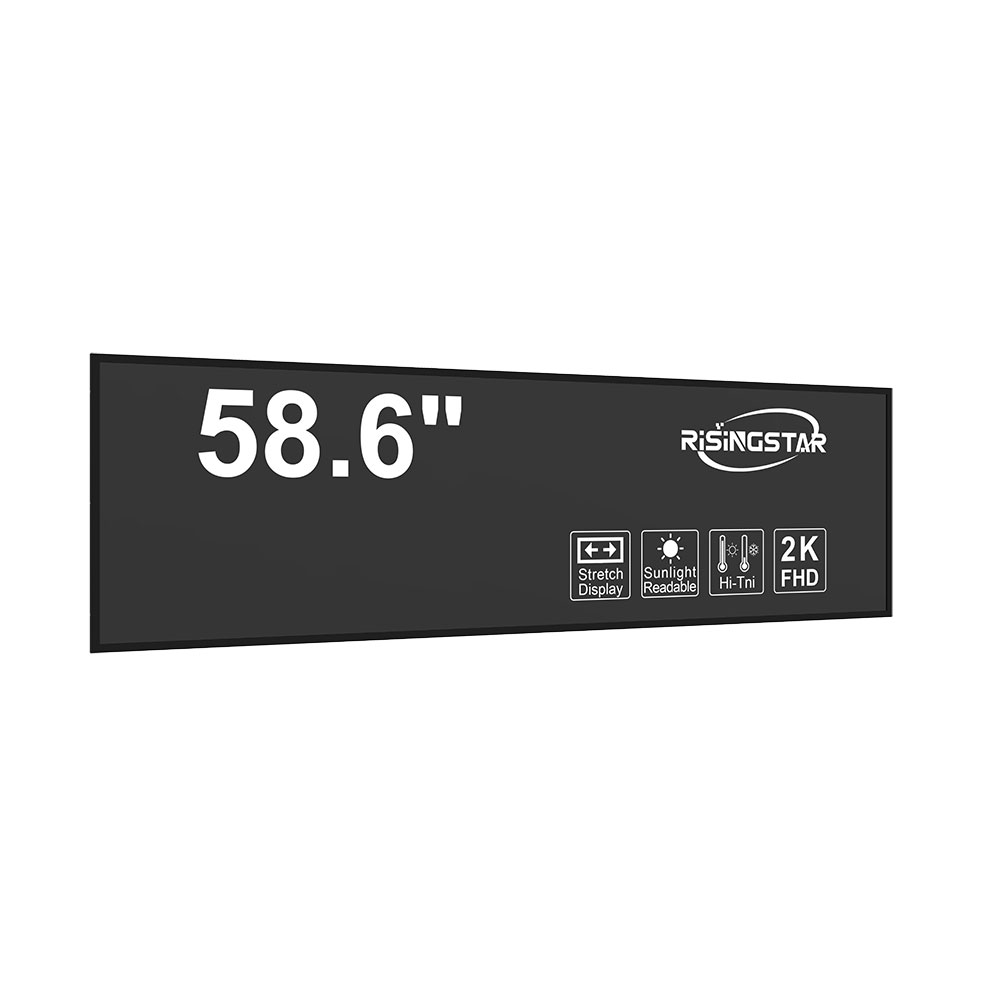
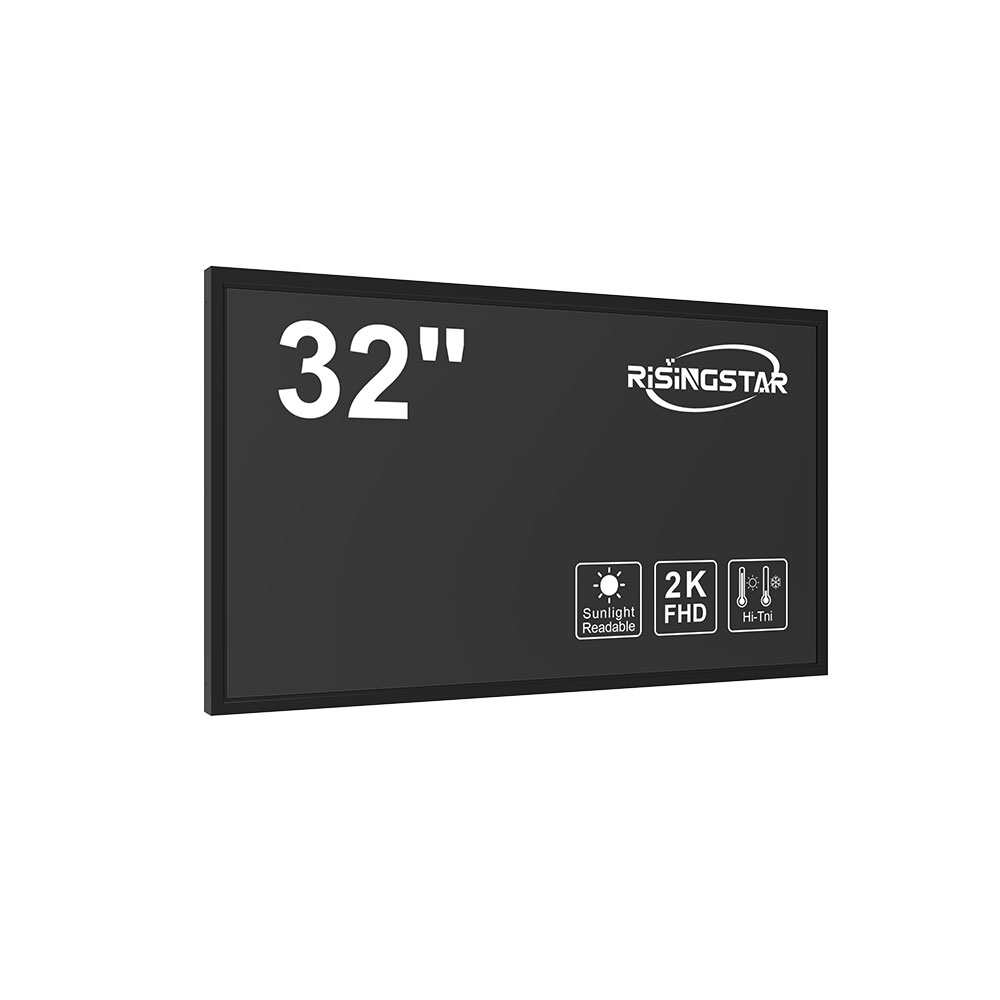
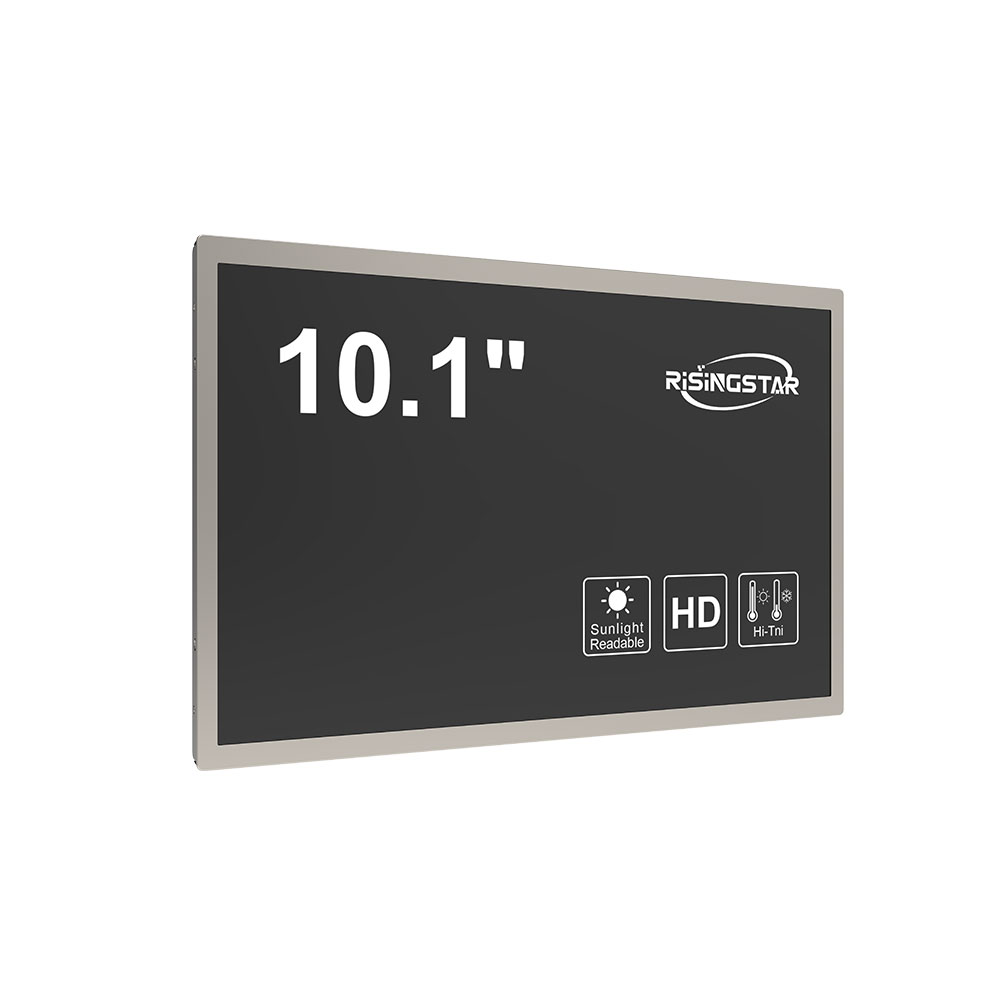
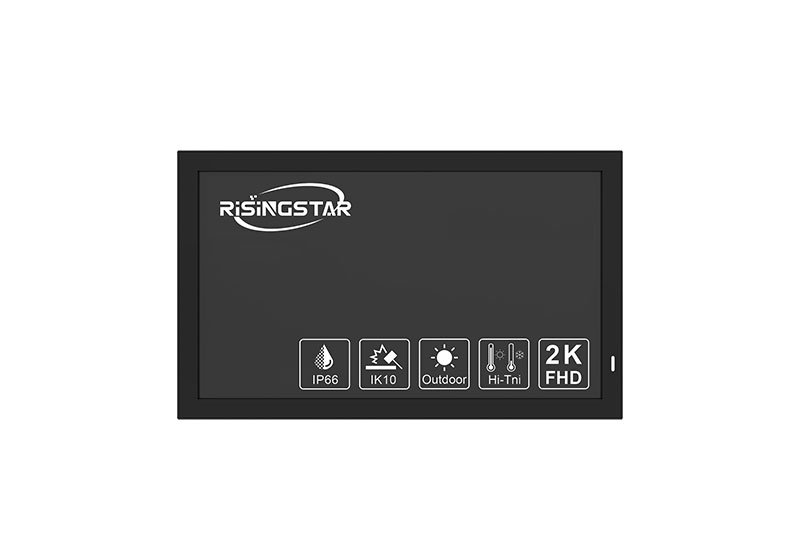
In outdoor environments, standard LCD screens often fail to deliver visibility due to ambient light interference—especially under direct sunlight. Sunlight-readable LCD screens are engineered specifically to combat this challenge by delivering high brightness levels (typically 5,000 to 10,000 nits), anti-glare coatings, and advanced backlighting technologies such as LED or OLED with local dimming. These screens are essential in industries like military, transportation, agriculture, construction, and public information systems where clear visibility is mission-critical.
Among the most common display aspect ratios used in modern sunlight-readable LCDs is 16:9—a standard that balances widescreen content compatibility with efficient use of space on portable and fixed-mount devices. This ratio aligns perfectly with HD (1280x720), Full HD (1920x1080), and even 4K resolutions, making it ideal for multimedia displays, digital signage, and control room monitoring.
The range of available screen sizes—from compact 10.1-inch models to massive 110-inch units—allows engineers and system integrators to tailor solutions for specific use cases. For example:
- 10.1” to 15.6”: Ideal for handheld field equipment, mobile command units, and ruggedized tablets.
- 18.5” to 23.8”: Used in kiosks, point-of-sale terminals, and vehicle dashboards.
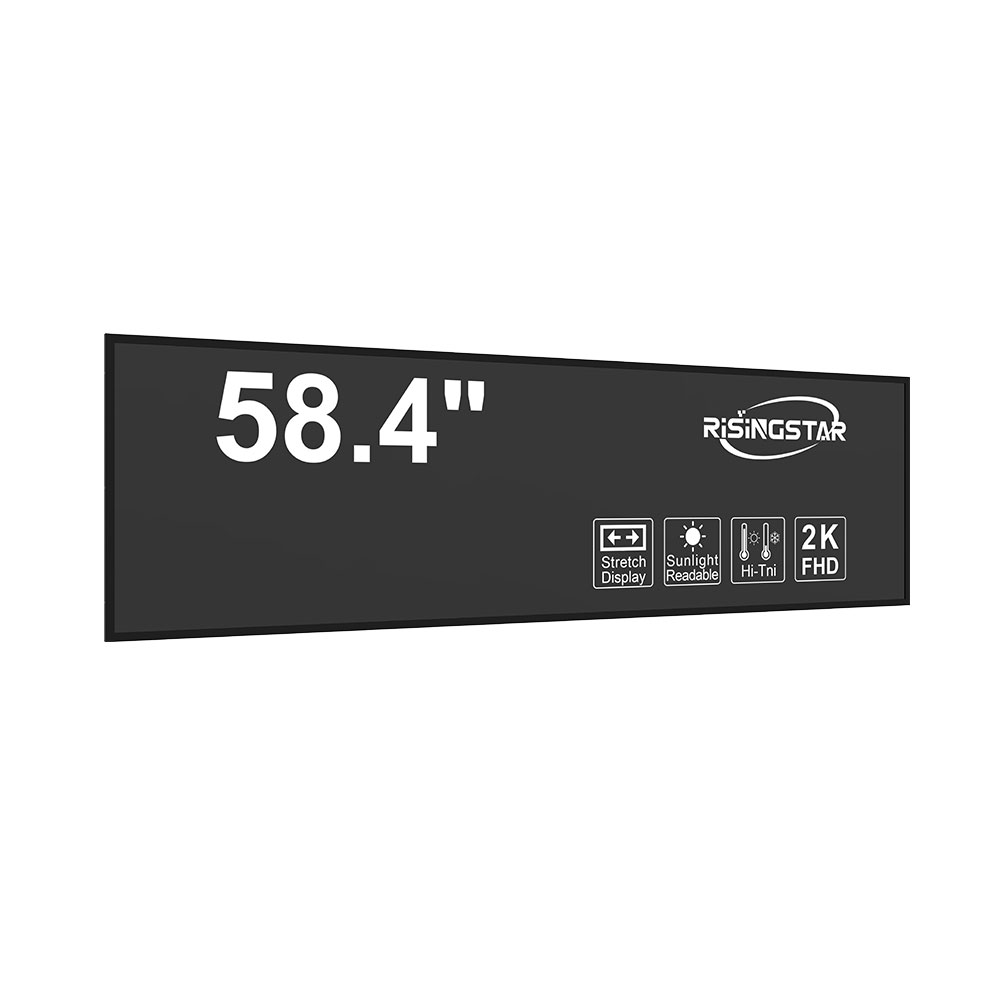
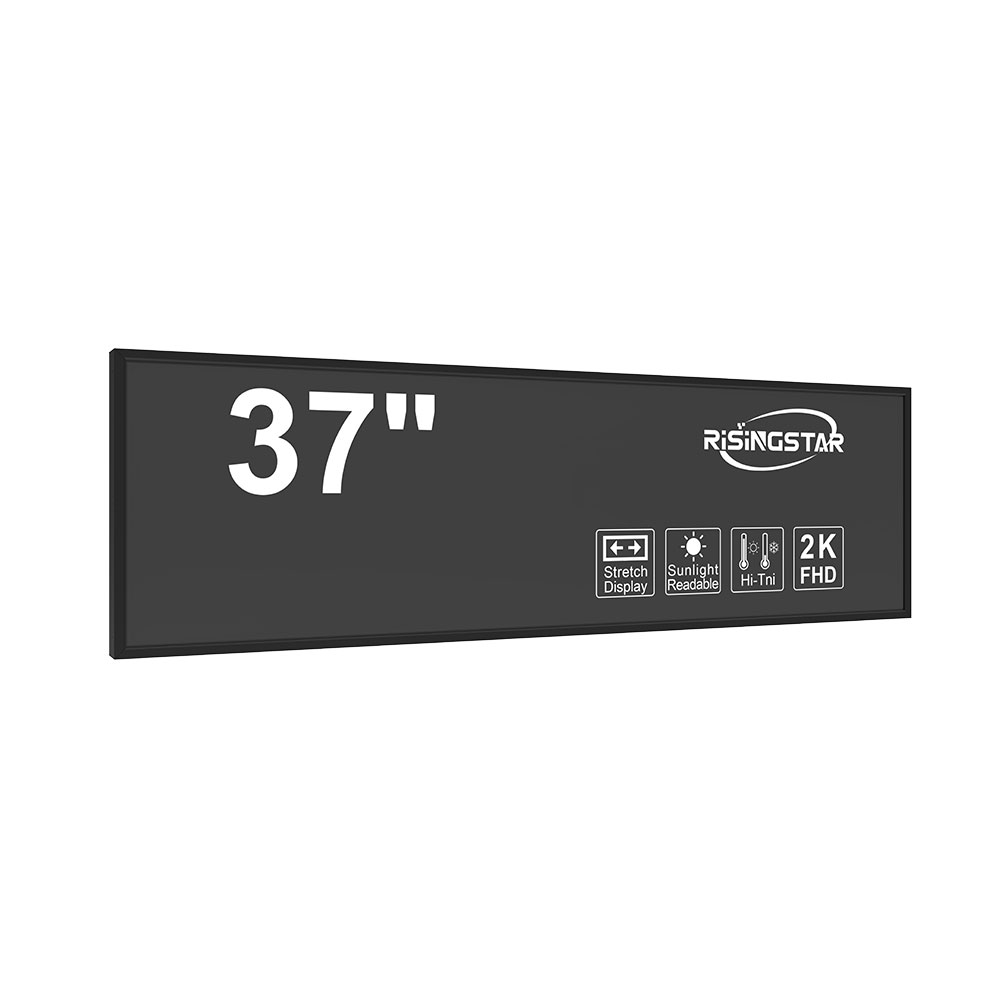
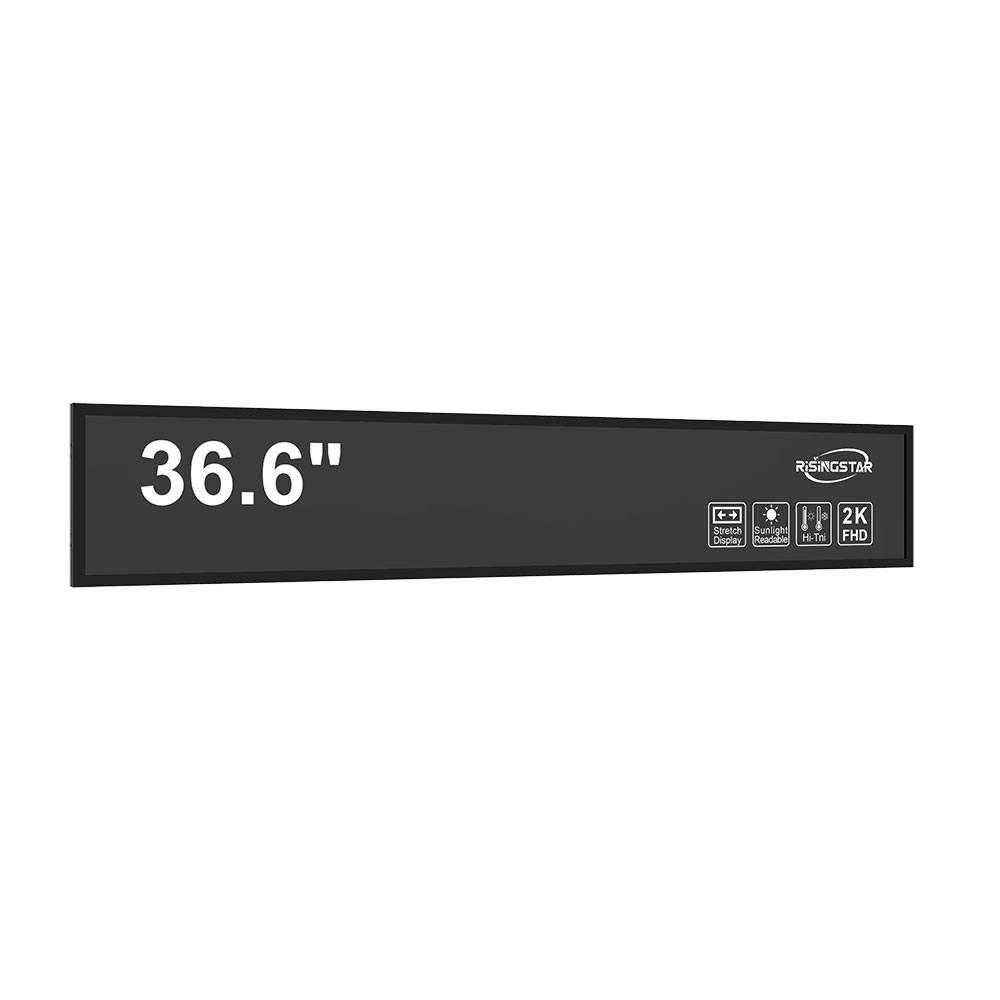
- 27” to 43”: Popular in industrial control panels, digital signage, and surveillance setups.
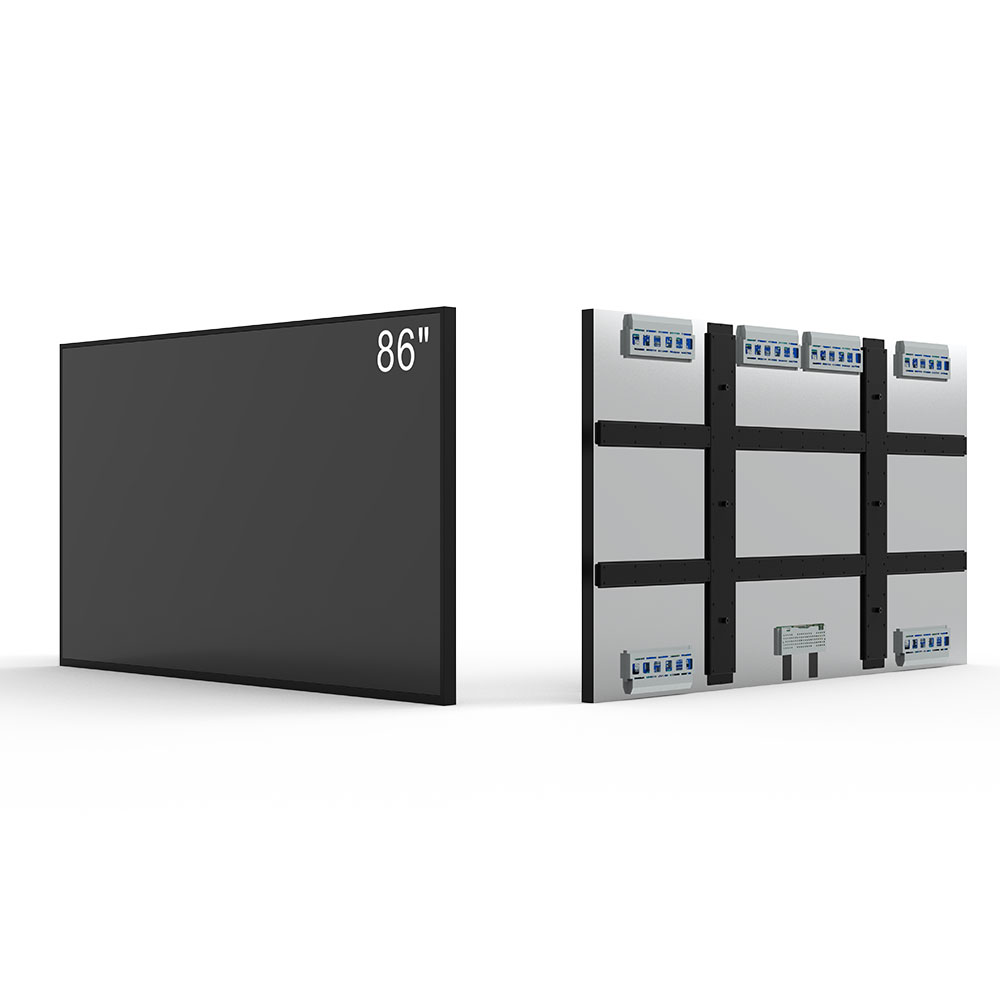
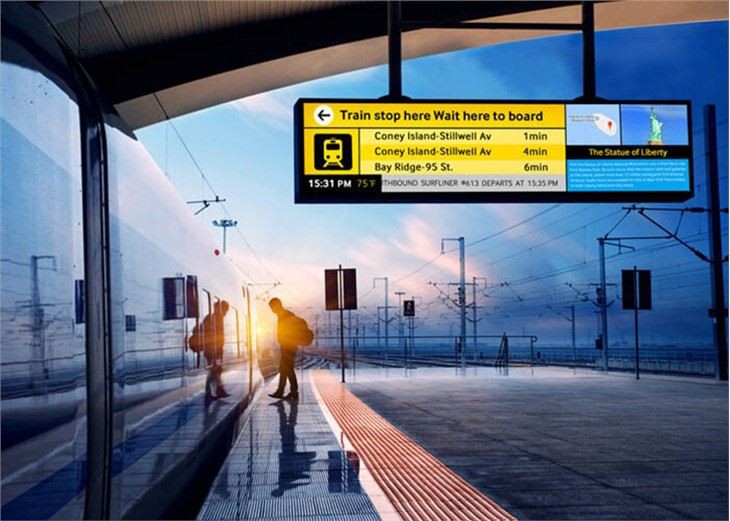
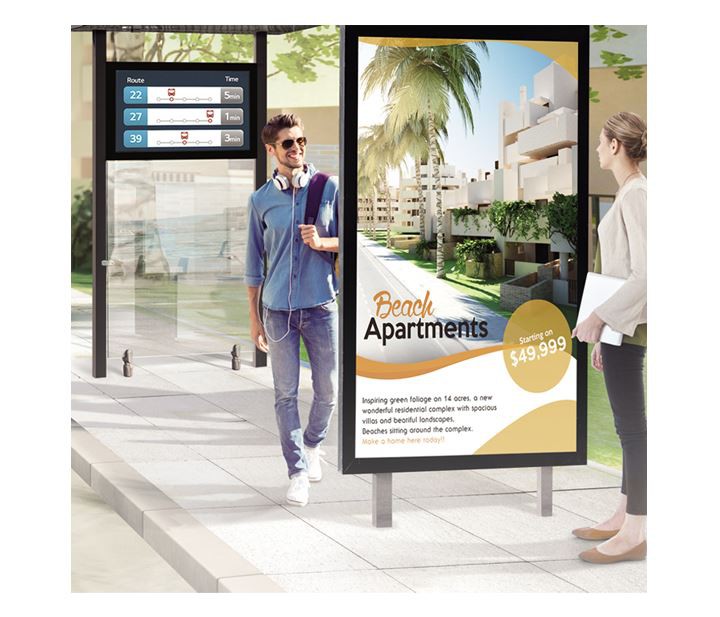
- 46” to 98”: Deployed in large-scale outdoor advertising, airport information systems, and public transit displays.
- 110”: Reserved for immersive installations such as stadium scoreboards and emergency alert systems.
Manufacturers must comply with international standards such as MIL-STD-810 for environmental durability and ISO 14001 for sustainable production. Additionally, features like IP65/IP67 dust/water resistance, wide temperature tolerance (-30°C to +70°C), and corrosion-resistant materials ensure long-term reliability. Real-world case studies from companies like Sharp, LG, and Eizo demonstrate successful deployments in extreme conditions—from desert operations to Arctic logistics centers—proving that proper design and material selection can guarantee consistent performance.
From a technical standpoint, achieving true sunlight readability requires more than just raw brightness; it involves optimizing contrast ratios (>1000:1), minimizing reflectance (<2% at 550nm), and using polarized filters or transflective technology for hybrid lighting scenarios. With increasing demand in smart cities and IoT-enabled outdoor applications, manufacturers are now integrating AI-driven adaptive brightness controls and energy-efficient power management modules into their designs.
This evolving landscape underscores the need for deeper engineering insight when selecting or designing sunlight-readable displays—ensuring not only visual clarity but also operational resilience across diverse global environments.